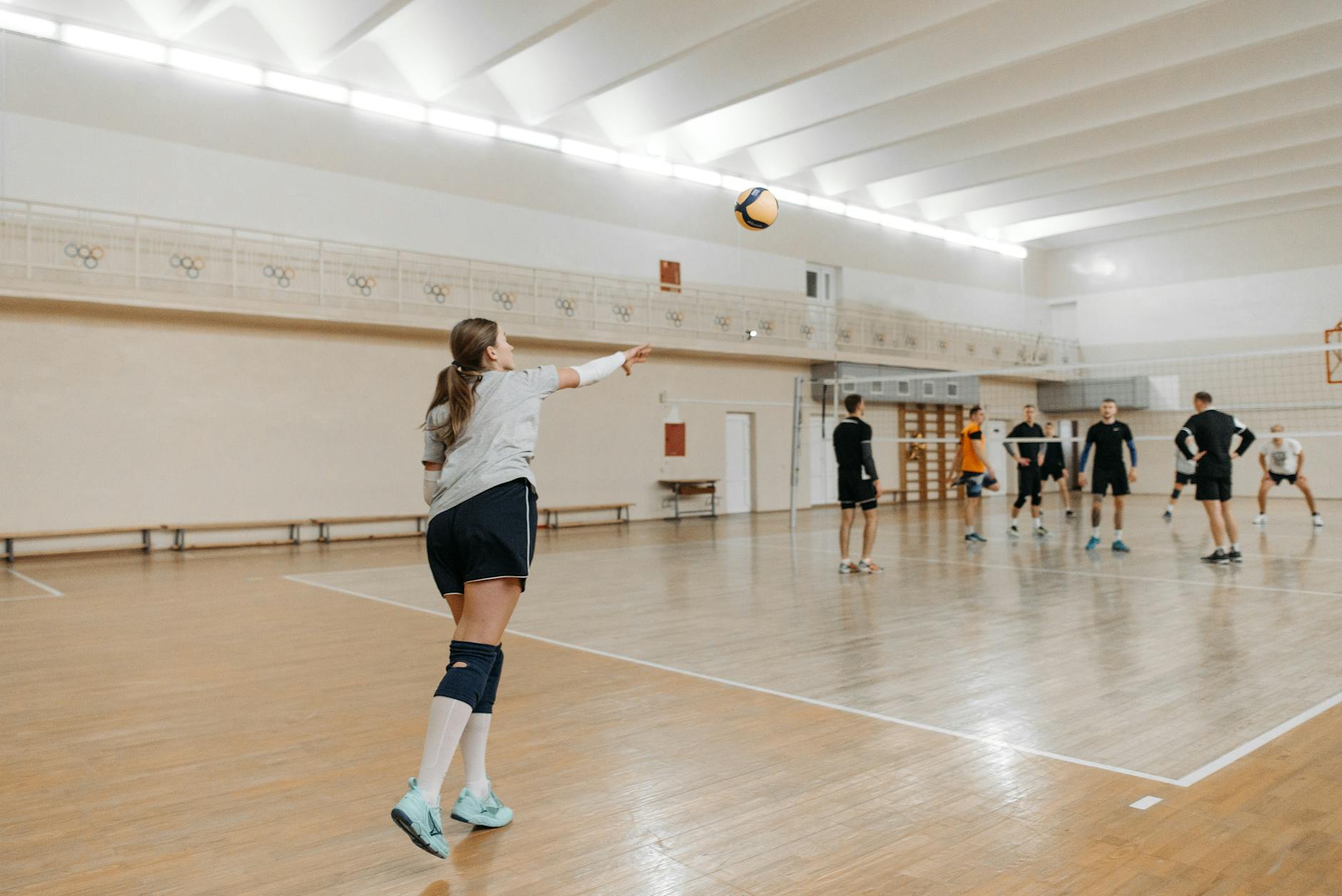
In the world of sports, mastering fundamental techniques is crucial for athletes of all skill levels. These foundational skills not only enhance performance but also help prevent injuries and foster a deeper understanding of the sport. Whether you are a beginner or looking to refine your abilities, focusing on key techniques can lead to significant improvements in your gameplay.
Understanding the nuances of sports techniques requires both theoretical knowledge and practical application. This article explores ten essential techniques across various sports, delving into their importance and how to effectively implement them.
1. Proper Footwork in Basketball
Footwork is a fundamental aspect of basketball that can determine an athlete’s effectiveness on the court. Techniques such as the jump stop, pivot, and triple-threat stance enable players to maintain balance and create space for shooting or passing. According to a study published in the Journal of Sports Sciences, athletes with superior footwork have a 15% higher shooting accuracy compared to those who neglect this skill.
2. The Importance of Grip in Tennis
A proper grip is paramount in tennis, as it influences racket control and shot accuracy. The Eastern grip offers versatility for beginners, allowing them to hit both forehands and backhands effectively. Advanced players might prefer the Western grip for topspin shots. Coaches recommend practicing grip variations with drills to ensure adaptability during matches.
3. Breathing Techniques in Swimming
Swimming requires precise breathing techniques to maintain endurance and efficiency. The bilateral breathing method, which involves inhaling on both sides, helps swimmers develop balance and symmetry in their strokes. Research by the American Journal of Sports Medicine indicates that swimmers who practice controlled breathing can reduce fatigue by up to 30%, enhancing overall performance.
4. Core Stability in Soccer
Core strength is crucial for soccer players, influencing everything from balance to shot power. Exercises like planks, Russian twists, and stability ball routines enhance core stability, which is essential for effective dribbling and shooting. Data from the Journal of Strength and Conditioning Research shows that athletes with stronger cores can produce 25% more force in their kicks.
5. The Role of Timing in Baseball Hitting
Timing is a critical component in hitting a baseball effectively. Batters must develop a sense of rhythm to synchronize their swing with the pitch. Drills that focus on tracking the ball can help improve this skill. According to a study by the Baseball Research Journal, hitters who master timing typically achieve a batting average that is 20% higher than those who do not.
6. Effective Communication in Team Sports
Communication is often overlooked but is essential in team sports such as football and basketball. Players must call plays, signal intentions, and provide support to one another. Incorporating communication drills into practice can lead to a more cohesive team dynamic, which research indicates correlates with a 10% increase in game performance.
7. Agility Drills for Football
Agility is vital in football, enabling players to change direction quickly and evade tackles. Incorporating cone drills, ladder exercises, and shuttle runs in training routines can significantly enhance agility. A study conducted by the Journal of Sports Science & Medicine found athletes who regularly perform agility drills improve their sprinting speed by up to 15%.
8. Visualization Techniques in Gymnastics
Visualization is a powerful tool used by gymnasts to enhance performance. By mentally rehearsing routines, athletes can reduce anxiety and improve execution. Research published in the International Journal of Sports Psychology found that gymnasts who engage in visualization have a 30% lower error rate during competitions compared to those who do not practice this technique.
9. Mental Resilience in Track and Field
Mental resilience is crucial for athletes competing in track and field events. Techniques such as positive self-talk and goal setting help athletes push through physical and mental barriers. Studies indicate that athletes who employ these strategies experience a 20% improvement in performance outcomes, particularly in high-pressure situations.
10. Analyzing Technique through Video Review
Utilizing video analysis can provide athletes with insights into their performance that may be difficult to perceive in real-time. Coaches can break down techniques and identify areas for improvement, leading to enhanced skill development. A survey of coaches in various sports revealed that 85% believe video feedback is essential for improving athlete performance.