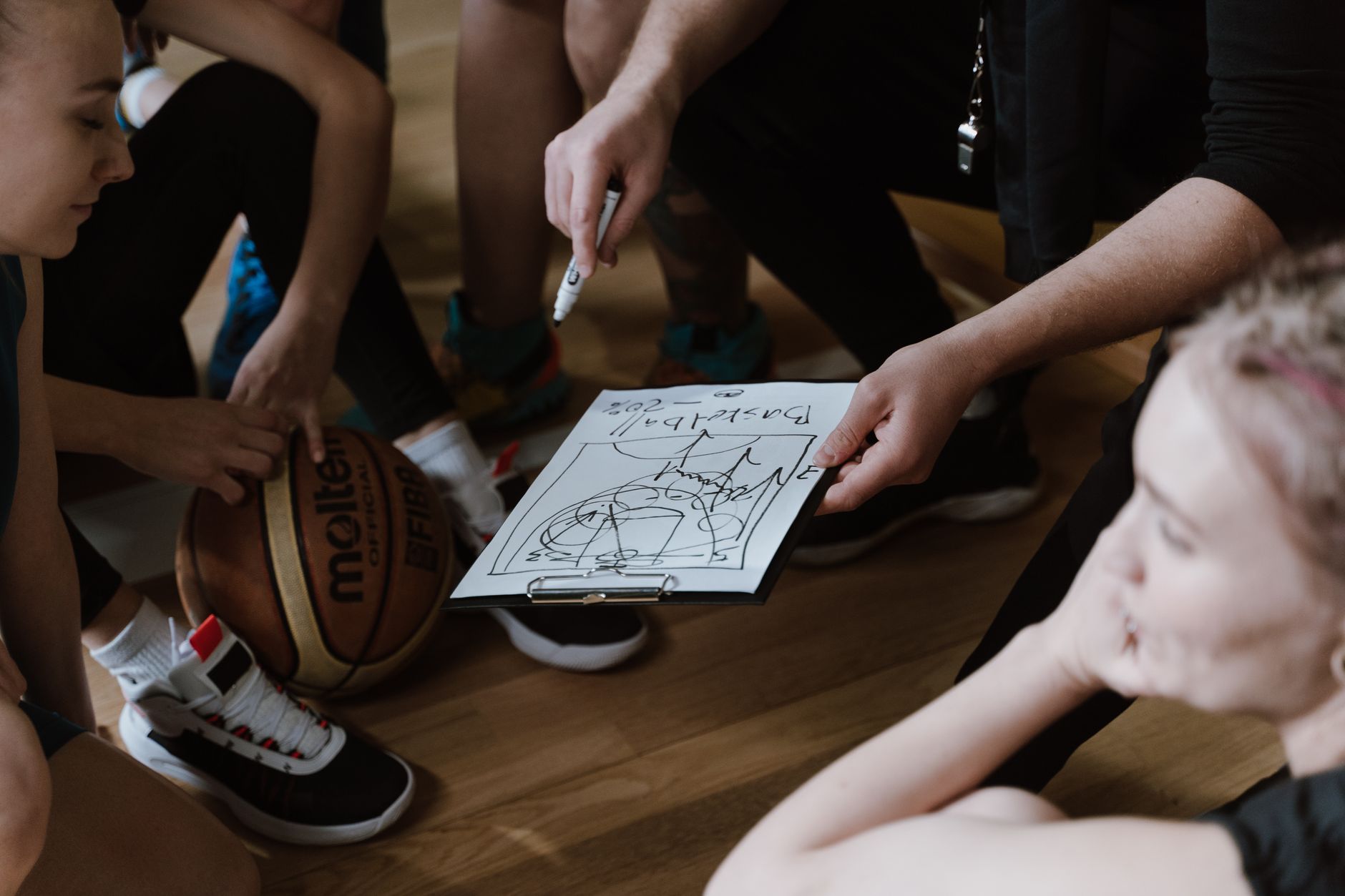
Entering the world of sports can be both thrilling and overwhelming for beginners. Understanding the strategic dimensions of various sports is crucial for improving performance and enhancing enjoyment. This article will delve into essential strategies that newcomers can adopt, providing them a solid foundation to build upon as they progress in their chosen sport.
A key aspect of any sport is recognizing that success often hinges on more than just physical ability. Mental preparation, teamwork, and tactical awareness play significant roles in achieving effective performance. Beginners should focus on learning these components to develop a well-rounded skill set.
Understanding Basic Game Tactics
Every sport has its own set of tactics that can significantly influence the outcome of a game. For instance, in soccer, understanding formation is vital. A beginner should learn about the different formations, such as 4-4-2 or 4-3-3, and how to apply them based on the strengths and weaknesses of both their team and the opposition. This strategic understanding helps in making real-time decisions during a match.
Role of Communication in Team Sports
Effective communication is often underestimated by beginners. In team sports like basketball or volleyball, verbal and non-verbal signals can coordinate plays and ensure everyone is aware of their responsibilities. Beginners should practice clear communication with teammates during training sessions, which builds chemistry on the field or court. This not only enhances performance but also fosters a positive team environment.
Emphasizing Conditioning and Skill Development
Physical conditioning is a fundamental aspect of sports strategy that beginners should prioritize. Engaging in regular fitness routines improves stamina, strength, and flexibility, all of which are crucial for performance. For example, runners should incorporate interval training into their regimen to boost speed and endurance, while swimmers can focus on drills that refine their technique.
Analyzing Opponents and Adapting Strategies
A common misconception among beginners is that once a strategy is set, it should not be changed. However, successful athletes continuously analyze their opponents. Beginners should learn to observe the patterns and weaknesses of opposing teams, which can provide valuable insights for adjusting their strategies mid-game. For example, if a basketball team notices that an opponent struggles with fast breaks, they can exploit this weakness by pushing their offensive pace.
Setting Personal Goals for Continuous Improvement
Finally, establishing personal goals is essential for any beginner athlete. These goals should be specific, measurable, achievable, relevant, and time-bound (SMART). By setting short-term goals, such as improving free throw shooting percentage in basketball or enhancing endurance for a 5K run, beginners can track their progress and maintain motivation. This process fosters a growth mindset and encourages continuous learning and development.