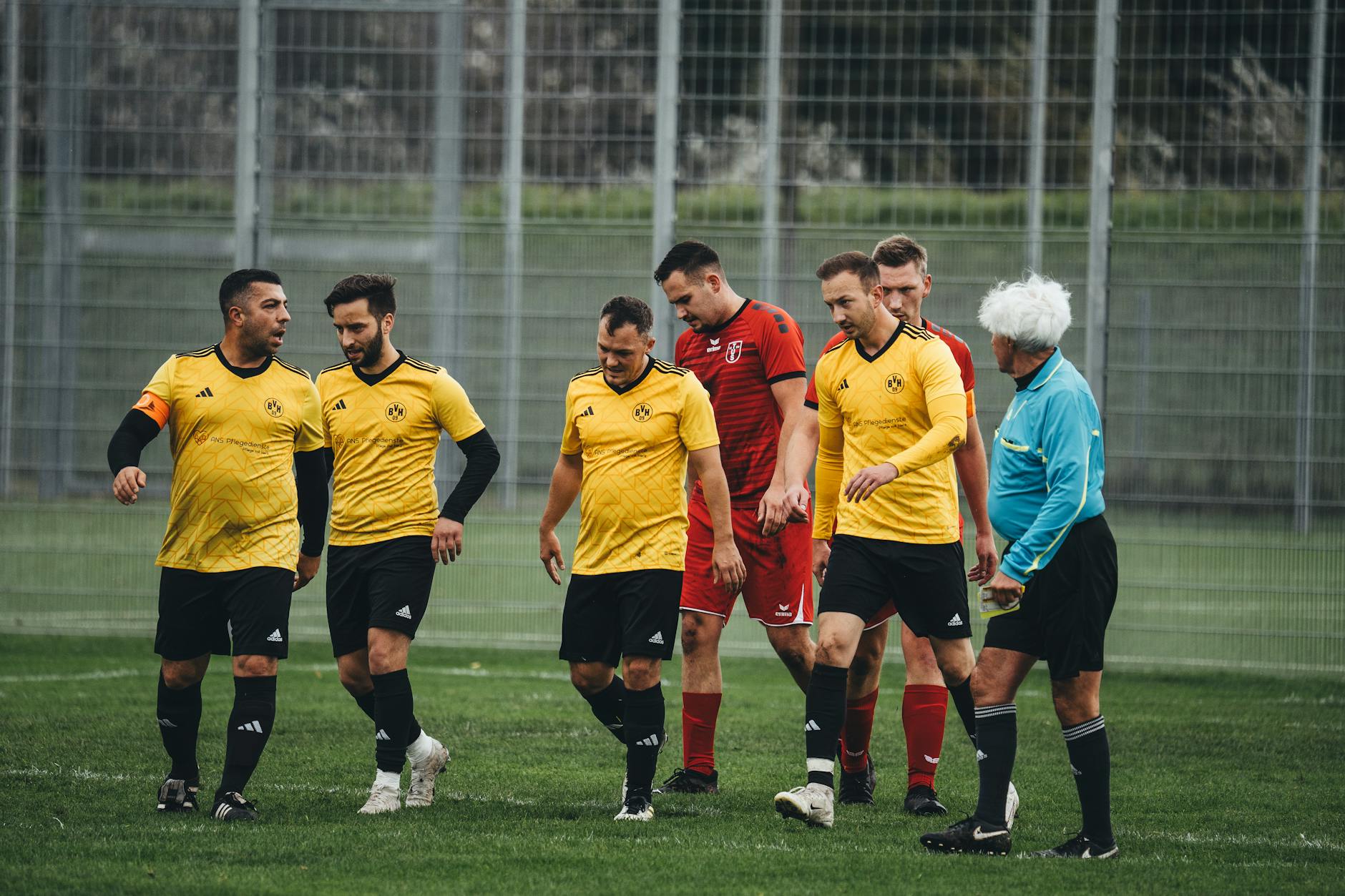
Team sports are not just about individual talent; they depend heavily on the roles each player occupies within the group. Understanding these roles can enhance team dynamics and overall performance. Each player contributes uniquely, making it crucial to recognize how these positions intertwine to create a cohesive unit.
In this article, we will explore the various roles found in team sports, emphasizing their significance and the impact they have on game outcomes. Insight into these roles allows both players and coaches to optimize strategies and improve team synergy.
Key Player Positions in Team Sports
In team sports such as soccer, basketball, and volleyball, specific positions are designated to maximize individual skills for collective success. For instance, in soccer, we have forwards, midfielders, and defenders, each with distinct responsibilities. Forwards focus on scoring goals, midfielders distribute the ball and control the game’s tempo, while defenders work to prevent the opposing team from scoring. This division of roles allows each player to specialize, which can lead to enhanced performance.
The Importance of Communication and Collaboration
One of the most overlooked aspects of roles in team sports is the need for effective communication. Players must understand not only their roles but also how to work synergistically. For example, in basketball, a point guard must communicate plays clearly to teammates. This role often involves directing the team, making quick decisions, and coordinating offensive strategies. Teams that communicate well can adapt to in-game changes more effectively, a skill that often differentiates winning teams from their competitors.
Adapting Roles Based on Game Dynamics
Another critical aspect of player roles is the ability to adapt based on the dynamics of a game. For instance, a striker in soccer may need to drop back and assist in defense if the team is under pressure. This adaptability not only demonstrates a player’s versatility but also reflects a coach’s ability to develop flexible strategies. Players must be trained to switch roles smoothly, as this can be pivotal in maintaining competitive advantages.
Developing Future Leaders through Role Clarity
Understanding player roles also plays a significant part in developing future leaders within a team. Positions such as team captain or playmakers require a blend of skills, including decision-making, motivation, and the ability to inspire teammates. By clearly defining roles, coaches can identify potential leaders and provide them with responsibilities that will further develop these skills. This focus on leadership helps to cultivate a culture of accountability and teamwork, paving the way for long-term success.
Conclusion: The Collective Effort
In conclusion, the roles of players in team sports extend beyond individual statistics and performance. They contribute to a collective effort that defines the outcome of games and the season as a whole. Recognizing the importance of each role, fostering communication, adapting strategies dynamically, and developing leadership will ultimately enhance a team’s success. By investing time in understanding and optimizing these roles, coaches and players can create a powerful, cohesive unit that thrives in competition.