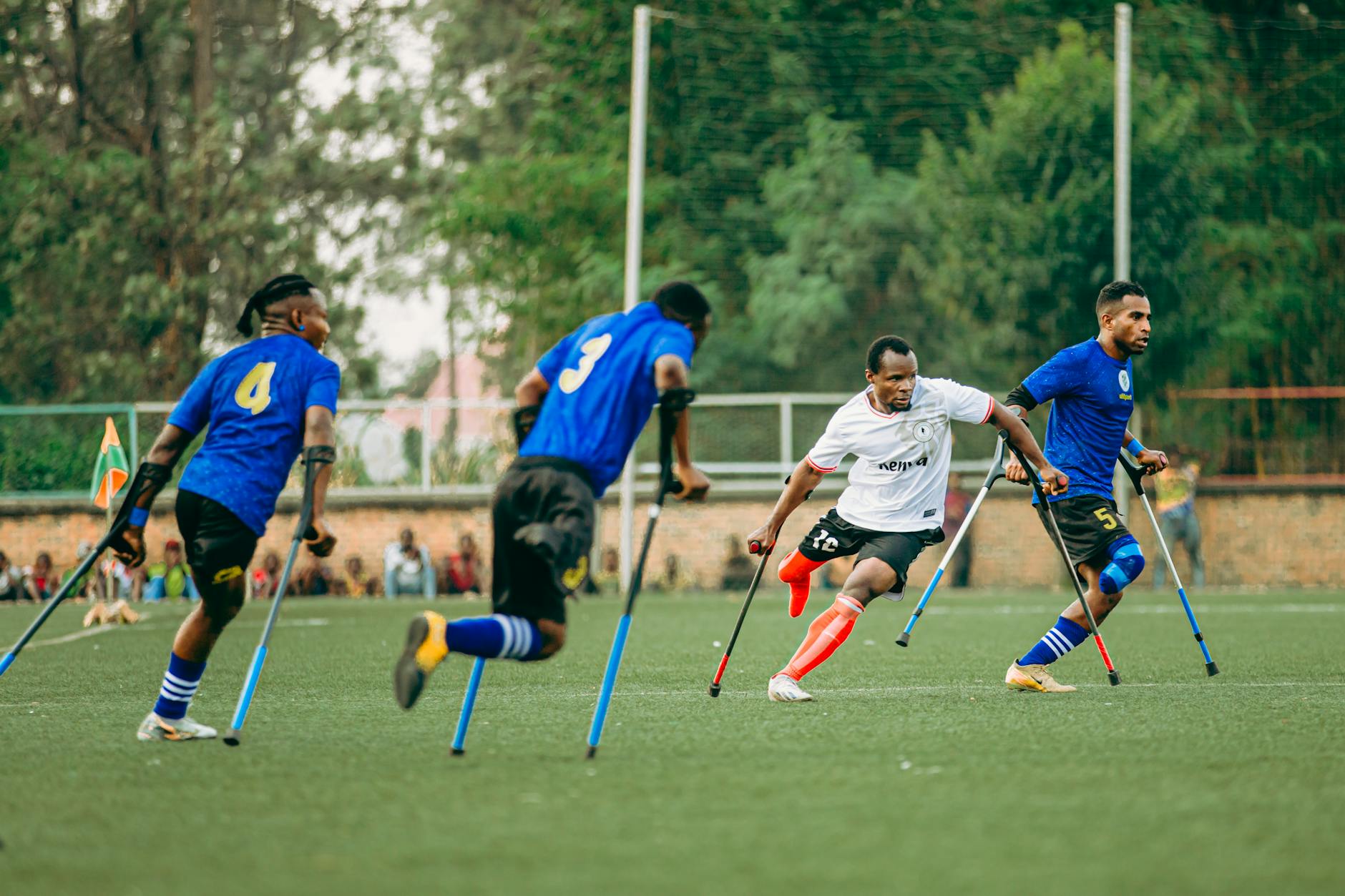
In the world of sports, player positions play a critical role in defining team strategies and the overall dynamics of the game. Each position is specifically designed to take advantage of a player’s unique skills, physical attributes, and tactical understanding. Understanding these roles not only enhances a fan’s appreciation of the sport but also aids coaches and players in refining their approaches to training and game play.
The variance in player positions is evident across different sports, influencing how teams are structured and how games are played. It is important to explore these positions to grasp the complexities of team strategy.
Football Player Positions and Their Functions
In American football, the field is divided into specialized roles that dictate both offensive and defensive strategies. On offense, the quarterback is the pivotal figure, responsible for orchestrating plays and making split-second decisions. The running back plays a complementary role, focusing on ball carrying and blocking for the quarterback. Wide receivers, on the other hand, excel in speed and agility to catch passes and create yardage. Each position requires different skills and physicality, influencing how the game unfolds.
Basketball Positions and Team Dynamics
Basketball features five primary positions: point guard, shooting guard, small forward, power forward, and center. The point guard is often seen as the leader, managing the ball and setting up plays. A shooting guard typically possesses sharp shooting skills, crucial for scoring. Small forwards often blend the roles of scoring and defense, while power forwards and centers focus on rebounding and inside scoring. The interplay between these positions allows teams to create diverse offensive and defensive strategies, highlighting the importance of each role.
Soccer Positions: Roles and Responsibilities
Soccer, or football as it is known globally, also has distinct player positions, including goalkeeper, defenders, midfielders, and forwards. The goalkeeper is the last line of defense and requires exceptional reflexes and decision-making skills. Defenders concentrate on preventing the opposing team from scoring, while midfielders serve as the link between defense and offense, often controlling the game’s tempo. Forwards are primarily responsible for scoring. The fluidity of soccer means players often interchange roles during matches, demonstrating the need for adaptability.
Baseball Positions and Specialization
Baseball positions are defined by unique responsibilities, from pitchers to outfielders. The pitcher is crucial for initiating plays, with strategies focused on ball placement to outsmart batters. Catchers, positioned behind home plate, have the responsibility of managing pitchers and calling plays. Infielders and outfielders specialize in catching and fielding, with each position requiring specific skill sets, such as speed for outfielders and quick reflexes for infielders. Understanding these nuances can enhance a fan’s experience and appreciation of the game.
The Importance of Position in Team Sports
Ultimately, the significance of player positions in sports cannot be overstated. Each role is designed to complement others, forming a cohesive unit aimed at achieving victory. Coaches often tailor training regimens around these positions, focusing on developing specific skills that enhance team performance. Moreover, understanding player positions can demystify complex strategies, making sports more accessible to fans and aspiring athletes alike. Through a deeper comprehension of these roles, one can appreciate not just the athleticism on display, but also the strategic depth that characterizes team sports.