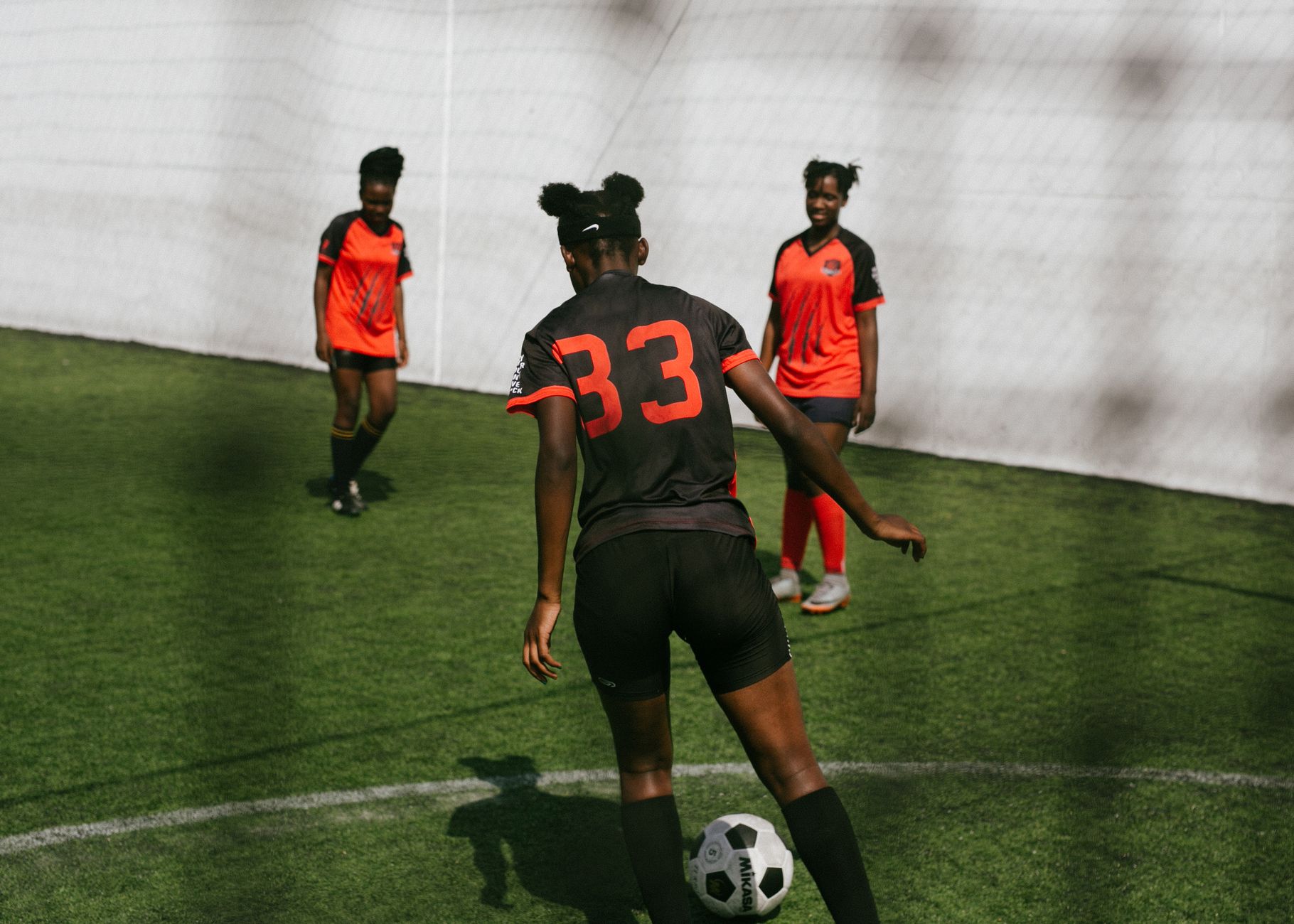
In team sports, understanding player positions is crucial for both performance and strategy. Each position comes with specific responsibilities and skills that contribute to the overall functioning of the team. From soccer to basketball, the nuances of player roles can greatly influence the outcome of games.
This article explores various player positions in popular team sports, illustrating how they work together to achieve victory. Recognizing the importance of each role not only helps coaches in formulating effective game plans but also aids players in honing their skills.
Soccer Positions and Roles
In soccer, there are several key positions, each serving a unique purpose. The goalkeeper stands as the last line of defense, requiring quick reflexes and the ability to read the game. Defenders, such as center-backs and full-backs, are tasked with stopping opposing players from scoring, emphasizing physical strength and tactical awareness.
Midfielders play a dual role, both defending and attacking, linking the defense and offense. They must possess excellent stamina and vision to control the pace of the game. Forwards, often known as strikers, focus on scoring goals, requiring precision and speed. Understanding these roles helps teams coordinate their strategies effectively.
Basketball Positions and Their Functions
Basketball features five primary positions, each with distinct responsibilities. The point guard is often referred to as the floor general, responsible for directing plays and distributing the ball. Shooting guards focus on scoring and long-range shooting, requiring strong shooting skills.
Small forwards are versatile players who contribute both offensively and defensively, while power forwards typically play near the basket and excel in rebounding and inside scoring. Centers, usually the tallest players, dominate the paint area, blocking shots and securing rebounds. Each position’s unique skill set is essential for a balanced team.
American Football: The Diversity of Positions
In American football, player positions can be highly specialized. On the offensive side, the quarterback is pivotal, orchestrating plays and making split-second decisions. Running backs are essential for advancing the ball, utilizing speed and agility to navigate defenses.
Wide receivers must possess excellent catching ability and speed to stretch the field, while offensive linemen protect the quarterback and create paths for running backs. On the defensive end, positions like linebackers and cornerbacks require strategic thinking to thwart offensive plays. Each position in football plays a critical role in the overall game plan.
Common Misconceptions About Player Positions
One common misconception is that certain positions are solely defined by athleticism. While physical fitness is important, understanding tactics, teamwork, and game strategy is equally vital. Furthermore, the role of a player may evolve based on the game situation, emphasizing the need for adaptability.
Another misconception is that only certain players can switch positions. While some players may specialize in one position, versatility is increasingly valued. Many successful athletes have transitioned between roles, demonstrating that cross-training and skill development can enhance overall team performance.
The Importance of Positioning in Strategy
Recognizing player positions allows teams to devise strategies tailored to their strengths and weaknesses. For instance, a team with fast forwards may focus on counter-attacking in soccer, while a basketball team with strong big men might leverage inside scoring. Coaches must constantly assess their players’ abilities and adapt their strategies accordingly.
In summary, understanding player positions across various sports is essential for both players and coaches. It fosters effective teamwork and enhances the chances of success on the field. Each position, with its specific roles and requirements, contributes to the intricate tapestry that is team sports.