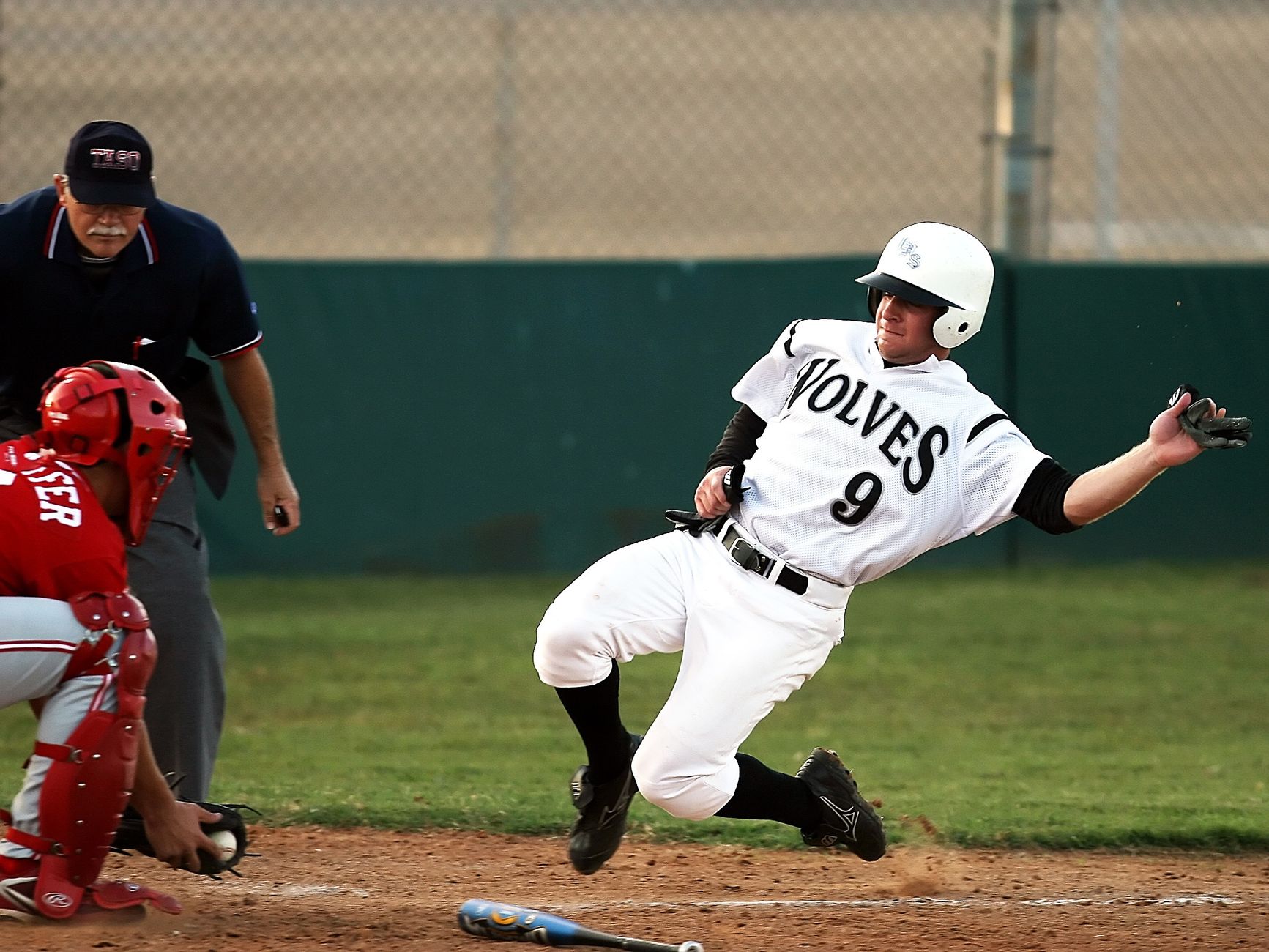
In the realm of sports, understanding player positions is essential for devising effective strategies and enhancing team performance. Each sport has its unique set of positions with specific roles and responsibilities, which contribute to the overall dynamics of the game. This article delves into various player positions across popular sports and offers insights into their significance in competitive play.
From football to basketball, player positions not only influence how the game is played but also the skills and training required for athletes. Grasping these nuances can be beneficial for coaches, players, and even fans who wish to deepen their understanding of the sport.
Football Player Positions and Their Roles
In American football, positions are typically divided into offense, defense, and special teams. Key offensive positions include the quarterback, who directs the play and makes crucial decisions; the running back, responsible for advancing the ball; and the wide receiver, who specializes in catching passes. Each of these roles requires specific skill sets. For example, quarterbacks must have strong decision-making abilities and arm strength, while wide receivers benefit from speed and agility.
Defensively, positions such as the linebacker play a pivotal role in stopping the opposing team’s advance, utilizing both physical tackling ability and strategic insight to read the offense’s plays. Understanding the strengths and weaknesses of each position can significantly affect game planning.
Basketball Positions: The Five Roles
Basketball operates on a more fluid structure, but player positions are still critical. The five main positions are point guard, shooting guard, small forward, power forward, and center. The point guard often acts as the team’s leader on the court, tasked with orchestrating plays and facilitating ball movement. In contrast, centers are generally the tallest players and focus on scoring close to the basket and rebounding.
The diversity of skill sets among these positions allows for varied playing styles. For instance, a shooting guard might excel in long-range shooting, while a power forward is often adept at both shooting and rebounding. Understanding these distinctions helps coaches in formulating effective training regimens and game strategies.
Soccer Player Positions and Tactical Variability
In soccer, player positions are crucial for defining team tactics. The primary positions include goalkeeper, defenders, midfielders, and forwards. Each role has distinct responsibilities: goalkeepers are the last line of defense, defenders aim to thwart opposing attacks, midfielders control the game’s tempo, and forwards focus on scoring goals.
Additionally, the tactical approach can vary based on formations, such as 4-4-2 or 3-5-2. Coaches often adjust player roles within these formations to exploit opponent weaknesses or enhance their team’s strengths. For instance, in a 4-3-3 formation, the two wingers must be exceptionally fast and skilled at crossing the ball to create scoring opportunities.
The Importance of Position Knowledge in Team Sports
Understanding player positions is not solely for strategic planning; it also informs player recruitment and development. Coaches prioritize specific skills aligned with each position when scouting talent. This targeted approach helps teams build more cohesive units that can perform effectively under pressure.
Moreover, recognizing the nuances of different positions aids players in their development. By focusing on the skills required for their designated roles, athletes can refine their performances and contribute more significantly to their teams. In conclusion, a deep understanding of player positions across various sports is vital for anyone looking to enhance their strategic knowledge and appreciation for the games they love.