In any team sport, the dynamics of player roles can significantly influence the outcome of a game. Each player brings unique skills and responsibilities to the team, which are essential for achieving success on the field. Recognizing these roles not only helps players understand their contributions better but also allows coaches to strategize effectively.
From the star player to the unsung hero, every role is pivotal in creating a cohesive unit. This article delves into the various roles players embody within team sports, providing insights that extend beyond basic definitions.
Key Positions in Team Sports
In sports such as soccer, basketball, and football, each position has specific responsibilities. For instance, in soccer, the goalkeeper is tasked with defending the goal, while forwards focus on scoring. This distinction highlights how different skill sets are utilized in various positions. In basketball, point guards are often seen as the playmakers who orchestrate the offense, while centers utilize their size for rebounding and scoring inside the paint.
The Importance of Teamwork
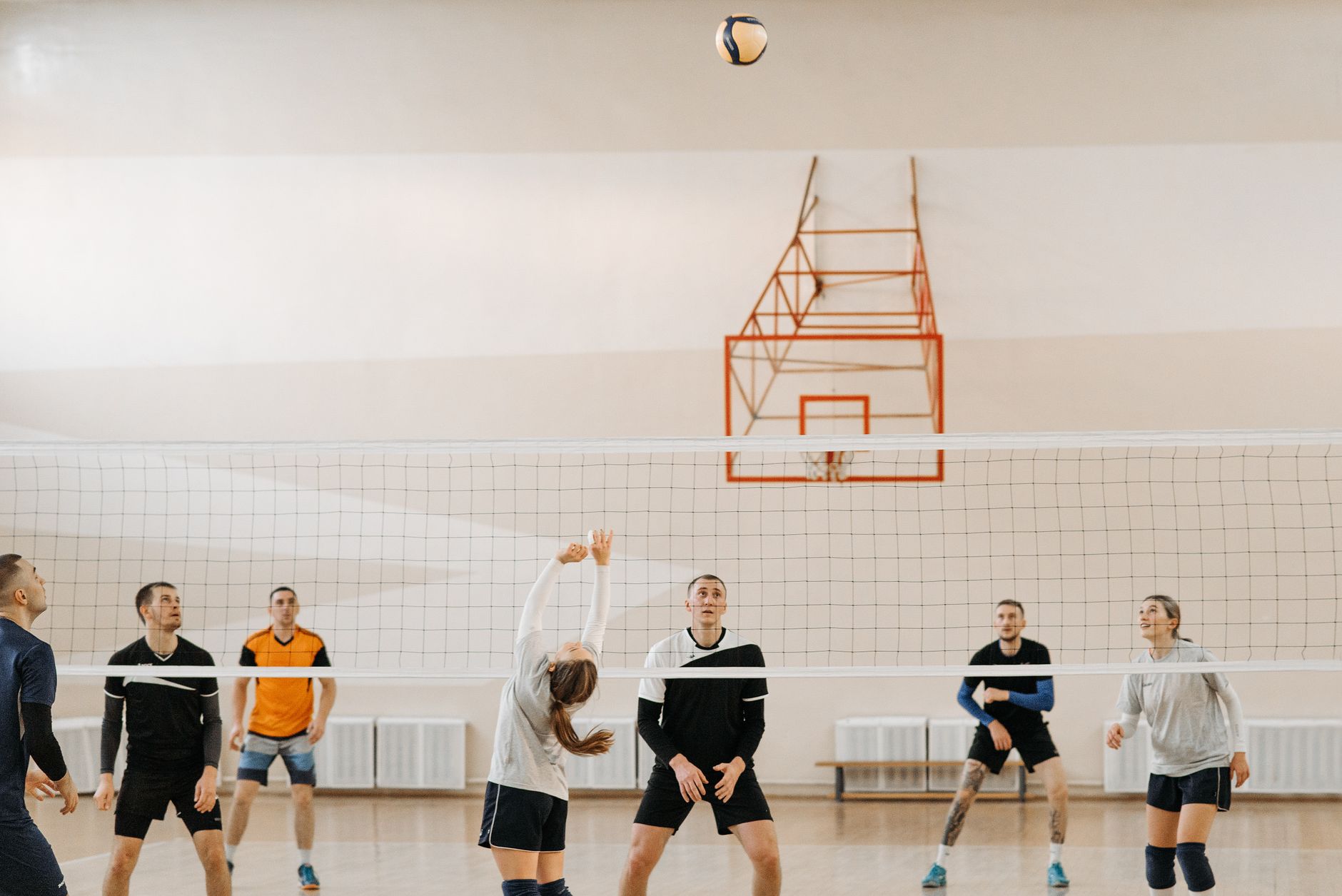
While individual talent is crucial, the effectiveness of a team often hinges on how well players work together. Teamwork is not merely about passing the ball; it involves understanding each other’s playing styles and making strategic decisions that benefit the group. For example, in volleyball, communication between players is vital for successful plays. Effective teamwork can transform a group of skilled players into a formidable team.
Adapting Roles During a Game
Flexibility in roles is another critical aspect of team dynamics. Players may need to adapt their gameplay based on the evolving conditions of a match. In basketball, a player may start as a shooter but switch to a defensive role if necessary. Coaches often emphasize the importance of being versatile, which can mean the difference between winning and losing.
Developing Future Leaders
The roles players take on can also serve as a training ground for future leadership. Captains often emerge from positions that require strong decision-making skills, such as the point guard in basketball or the quarterback in football. These players learn not only how to perform their roles but also how to motivate and guide their teammates, preparing them for leadership both on and off the field.
Conclusion
Understanding the diverse roles of players in team sports enriches the experience for everyone involved. It underscores the importance of collaboration, adaptability, and leadership. By acknowledging each player’s contributions, teams can enhance their performance and cultivate a stronger sense of unity, ultimately leading to greater success.