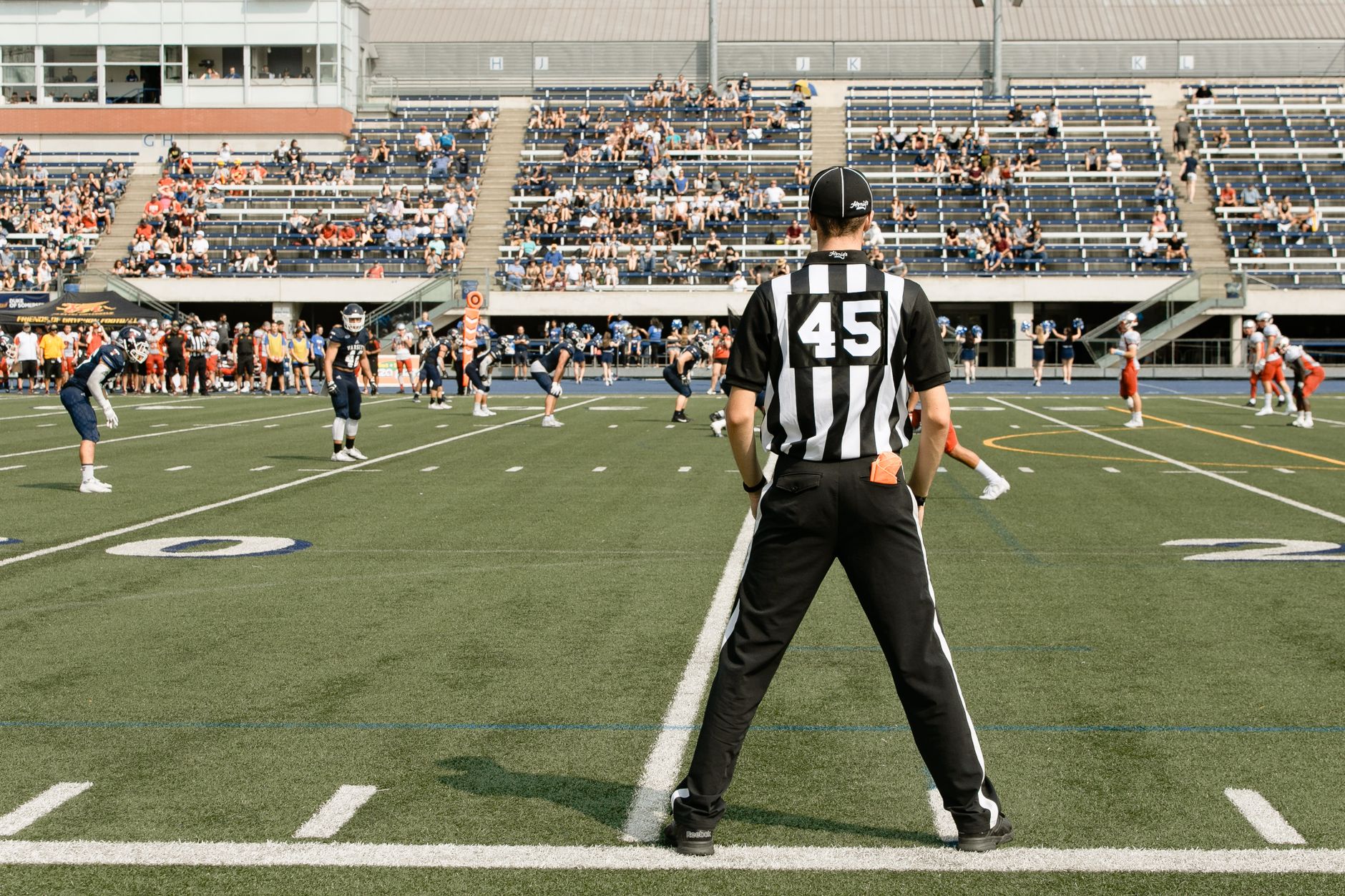
Understanding the basic rules of popular sports is essential for both players and fans. Sports like soccer, basketball, and tennis each have their own unique regulations, and familiarizing oneself with these rules can enhance the enjoyment of the game. This article delves into the fundamental rules of some of the most popular sports worldwide, providing insights that may surprise even the most seasoned enthusiasts.
Beyond the surface-level knowledge, various nuances and lesser-known aspects of these sports can significantly affect gameplay and strategy.
Soccer: The Beautiful Game
In soccer, the primary objective is simple: score more goals than the opposing team. The game consists of two 45-minute halves, with additional stoppage time added at the referee’s discretion. A key rule is the offside rule, which prevents players from gaining an unfair advantage by positioning themselves closer to the opponent’s goal than the second-last defender when the ball is played to them. This rule demands strategic positioning and timing, making it crucial for both attackers and defenders.
Basketball: The Fast-Paced Sport
Basketball is governed by a set of dynamic rules that encourage fast play. A standard game is divided into four quarters of 12 minutes each, although in collegiate play, games are divided into two 20-minute halves. The three-point line is a significant aspect of scoring; shots made from beyond this line count as three points, while shots made within it are worth two. An often overlooked rule is the shot clock, which limits the offensive team to 24 seconds to attempt a shot. This rule emphasizes quick decision-making and helps maintain a fast-paced game.
Tennis: The Game of Patience and Precision
Tennis matches can vary in length and are played in sets, with the most common format being best of three or five sets. Players must win six games to win a set, but they must also lead by at least two games, leading to potential tiebreakers if a set reaches 6-6. One lesser-known rule is the let serve, which occurs when a served ball touches the net but still lands in the correct service box, allowing the server to reattempt the serve without penalty.
Baseball: America’s Pastime
Baseball features a complex set of rules that govern gameplay, including the three-strike rule, which states that a batter is out after three strikes. However, it is also essential to understand the concept of balls and strikes. A batter faces pitches that can be called as strikes when they swing and miss or do not swing at a pitch within the strike zone. This nuance illustrates the psychological battle between pitcher and batter, as each tries to outmaneuver the other. Furthermore, baseball’s unique rules about base running, such as tagging up on a caught fly ball, add layers of strategy that can affect the outcome of a game.
Conclusion: The Importance of Rules in Sports
Each sport comes with its own set of rules that not only dictate gameplay but also shape strategies employed by players and teams. Understanding these rules can deepen one’s appreciation for the game and improve both play and viewing experiences. As sports evolve, so too do their rules, making it essential for fans and players alike to stay informed about the intricacies that make each sport unique.